

Content Validated by Dr. Fran Rotondo, DVM
Congratulations on your new kitten! Understandably, welcoming a new kitten into your home is accompanied with some questions on how to properly prepare and care for them. This article will provide you with some helpful tips and advice to know about bringing home a new kitten.
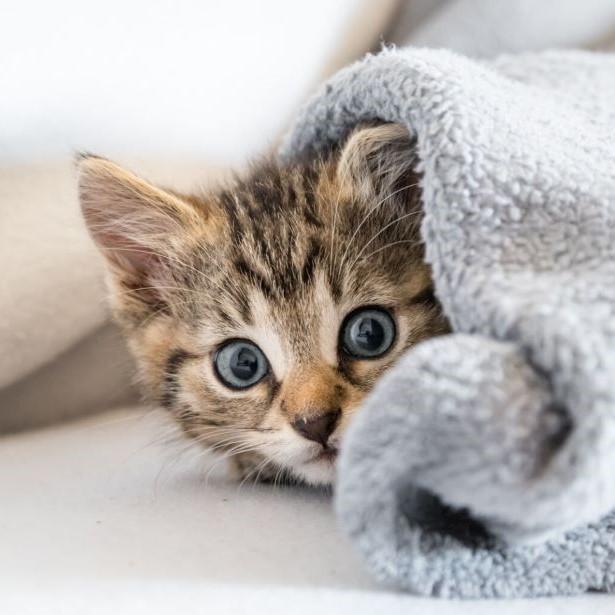
New Kitten Essentials: Must-Have Kitten Supplies
Before you bring your kitten home, make the transition as easy as possible for you and your new pet by stocking your house with must-have kitten supplies. So, exactly what do you need for a new kitten? Browse through this supply checklist to find out.
Litter Box
To determine the right size, measure your kitten from their nose to the tip of their extended tail. Their litter box should be 2-3 times larger than that measurement in both width and length to account for their full-grown adult size. An adult cat should be able to stand upright in their litter box and turn around in a complete circle easily. If you cannot find a litter box large enough to accommodate your cat, under-the-bed storage boxes are also a good option. If you already have another cat in the household, keep in mind it is generally recommended to have a litter box for each cat plus an extra one (e.g. for 2 cats, 3 litterboxes total.)
Cat Litter
It’s always best to opt for soft and unscented litter for kittens and cats, as strong scents can deter them. You may need to try out a few different options to find the one your cat most prefers. Most cats enjoy using the unscented clumping cat litter.
Cat Carrier
This is a must-have for transporting your cat safely and conveniently. The cat carrier should be left in an area of the house where the cat will be able to see it and use it anytime. You want the cat to feel comfortable with the carrier, so don’t hide it away in the cellar or the garage.
Food and Water
Talk to your veterinary team to determine the most suitable diet for your kitten, and how to transition them to a good quality adult cat food once they are approaching one year of age. Use only stainless steel bowls for your cat’s food and water. Plastic dishes are more difficult to clean thoroughly, and many cats are sensitive to the chemicals in plastic, so it is best to avoid them. Water bowls should be washed daily and filled with fresh cool water. It is good to have a couple of water bowls placed in different rooms to ensure your cat has access readily. Their food and water should be in a low-traffic area where they can eat and drink undisturbed.
Cat Bed
Make sure to find a bed large enough for your kitten to turn around in comfortably. The bed should be in an area where the cat feels safe and secure at all times.
Scratching Post
Kittens release energy and express emotions by scratching. Get them a scratching post to help them express their instinct to scratch; this will also help to prevent them from scratching furniture. Try different styles of scratching posts – horizontal, vertical – as every cat will have their preference.
Cat Collar
Life with a new kitten is unpredictable. A tear-away collar can help identify your cat if they get lost. Cats that are allowed to go outdoors, or even cats that regularly try to sneak out, should have a tear-away collar on. You can also attach GPS monitoring tags to the collars to keep track of where your cat is.
Cat Toys
Deepen bonding and encourage activity by getting toys for your kitten and playing with them for 10 to 15 minutes several times per day. Cats will respond differently to toys so get several different types to see what your kitty likes the most.
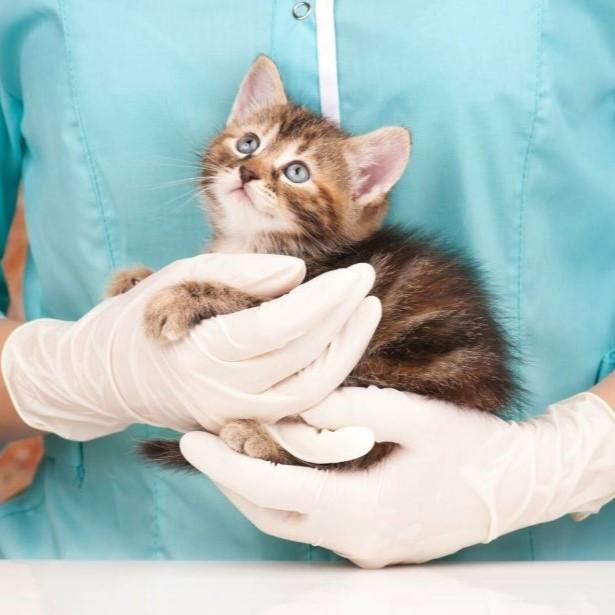
Caring for Your Kitten: The First Veterinary Visit
Starting your kitten’s life on a healthy path can make a difference to how healthy and well- balanced they are when they’re older. To set them up for a good, long life, here are some health measures to consider talking about with your veterinarian.
Vaccines
Vaccines are designed to help prepare your kitten’s immune system to fight off infections. Ask your veterinarian which vaccines they recommend for your kitten. Kittens are often vaccinated against the following viruses:
- Rabies virus
- Feline calicivirus
- Feline herpesvirus
- Feline panleukopenia
- Feline leukemia virus
Flea and Tick Control
Whether you have an indoor or an outdoor cat, fleas can pose a serious threat to your kitten. In addition to being a huge nuisance, they can also transmit diseases that are dangerous to your kitten, yourself, and any other pet in your house. Start your kitten on flea and tick protection as soon as possible.
Heartworm Disease Prevention
Just one bite from an infected mosquito can transmit heartworm disease to your cat, and currently, there is no approved treatment for heartworm disease in cats. That’s why prevention is so important. Ask your veterinarian whether heartworm disease is a concern in your area and when prevention can be started for your kitten.
Spay or Neuter
Spaying or neutering your kitten when they reach the appropriate age is important for their health and behavior. Talk to your veterinarian to determine when it’s recommended to have them neutered or spayed.
Microchip
Your veterinarian can place a microchip under your pet’s skin which can help locate them if they are lost. A study of 7,704 stray animals showed that cats without microchips were returned to their owners 1.8% of the time, whereas microchipped cats were returned 38.5% of the time.1 Having a microchip placed is a relatively affordable procedure.
Tips for Bringing Your New Kitten Home
Time to wrap up! Now that you know what to buy and how to take care of a kitten, you’re almost through your new kitten checklist. Here are some final new kitten tips to keep in mind as you raise your new cat.
Create a Safe Room
Cats can become stressed when in a new environment or when they experience a significant life change. To help your new kitten transition to life in their new home, establish a safe room for them to reside in for a while. Keeping your new kitten in their safe place helps give them time to get accustomed to you, your house, and all its scents.
If the kitten is the only pet in the household, they may only need the room for a couple of days. However, if you’re introducing a kitten to a home with other pets, you’ll need to give all of your animals time to get familiar with each other’s scents. Be patient during this process and monitor your pets closely. This process may take weeks, but it’s an important step to help ensure your pets coexist peacefully.
Minimize Dangers Around the Home
We love cats because they’re curious, adventurous creatures. But sometimes, their inquisitive spirit can land them in dangerous situations. Your new kitten will most likely climb, scratch, and chew common household items. To help keep your kitten safe as they explore, try to remove any potential hazards before bringing them home:
Secure breakable items
Lock up or put away anything fragile, and secure anything hanging on the walls.
Minimize exposed electrical cords
Use as few cords as possible and try to keep them out of view.
Secure windows, doors, and other potential exits
Help keep your cat safe by locking every potential exit when you’re not home.
Remove toxic houseplants
Even if you think you can hide them from your kitten, it’s best to avoid keeping plants that are toxic to cats such as aloes, lilies, and snake plants in your house.
-
- Wuest P. Poll: Have the majority of your clients gotten their pets chipped? Today's Veterinary Practice. Published July 14, 2019. Accessed September 7, 2022. https://todaysveterinarypractice.com/news/poll-have-the-majority-of-your-clients-gotten-their-pets-chipped