
Content Validated by Dr. Meghan McCarty, DVM
If your dog has a dry cough, it could be a sign of several different conditions, some mild, others very serious. In this article, we’ll help you understand why dogs cough, describe the signs to watch out for, and what to expect when seeking veterinary care.

Common Reasons for a Dry Cough in Dogs
Dogs cough for a variety of reasons
It is important to give your veterinarian a detailed description of your dog's cough so they can determine if it is an emergency or not. Even better, if you can capture your dog’s cough in a video recording this can be very helpful to share with your veterinary team.
Different coughs signal different issues
Regardless of the cause, a cough is an indication that something isn’t right and should be taken seriously. Therefore, no matter how your dog is otherwise acting, call your veterinarian.
Common Reasons for a Dry Cough in Dogs
Canine infectious respiratory disease complex (CIRDC), commonly known as “kennel cough,” is a respiratory disease characterized by a deep, dry, honking cough. This disease is extremely contagious and has numerous bacterial or viral causes, including Bordetella bronchiseptica and canine parainfluenza virus. CIRDC is usually considered mild but may cause some discomfort. For otherwise healthy dogs, the condition tends to resolve on its own within a week or two. However, in young puppies, senior dogs, or dogs with weakened immune systems, the infection can cause serious issues such as chronic bronchitis or pneumonia.
Dogs can contract CIRDC in places where groups of dogs congregate, such as shelters or boarding facilities. Medications to treat the cough may be prescribed, and many dogs do well with treatments that can be managed at home. Your veterinarian will also likely advise you to keep your dog away from other dogs until the infectious stage has passed.
You can help mitigate the risk and severity of CIRDC by ensuring your pet’s Bordetella vaccine is up to date. As always, talk to your veterinarian if you have questions or concerns about CIRDC.
Tracheal collapse can cause a dry, honking cough and results from the weakening of the rings of cartilage that form the trachea (windpipe). This condition can cause tracheal rings to flatten when your dog inhales.
Cough from tracheal collapse can become more pronounced at different times including:
- When eating or drinking
- During periods of excitement
- At night
- In hot weather
- When the trachea experiences pressure from a collar around the neck
Certain breeds are more susceptible to tracheal collapse than others. These include: Chihuahuas, Pomeranians, Shih Tzus, Toy Poodles, and Yorkshire Terriers.
To diagnose a collapsing trachea, your veterinarian may apply light pressure to the trachea. If your dog coughs or has difficulty breathing, further investigation using x-rays or bronchoscopes may be necessary.
Coughing can also be a clinical sign of heart disease. Heart disease results from the thickening or weakening of the heart valves or muscle and results in the failure to pump blood efficiently. Numerous causes of coughing include heart enlargement compressing airways, increased pressure within the lungs, or fluid accumulation in the lungs.
Other clinical signs of heart disease include:
- Fainting or collapsing
- Lethargy and fatigue
- Difficulty breathing
If a veterinarian suspects the presence of heart disease, tests may include chest x-rays, an electrocardiogram (ECG), an echocardiogram (ultrasound), and blood tests.
Several breeds are especially susceptible to heart disease, including the Cavalier King Charles Spaniel, Doberman Pinschers, Great Dane, and others.
Heartworm disease can also cause coughing in dogs. This is a serious condition that can be fatal if left untreated. Heartworms can be transmitted by a single bite from an infected mosquito. The heartworm larvae then migrate to the heart and lungs where they begin to mature and grow, causing inflammation of the blood vessels and lungs.1
Other clinical signs of heartworm disease include:
- Lethargy
- Weight loss
- Swollen belly
- Difficulty breathing
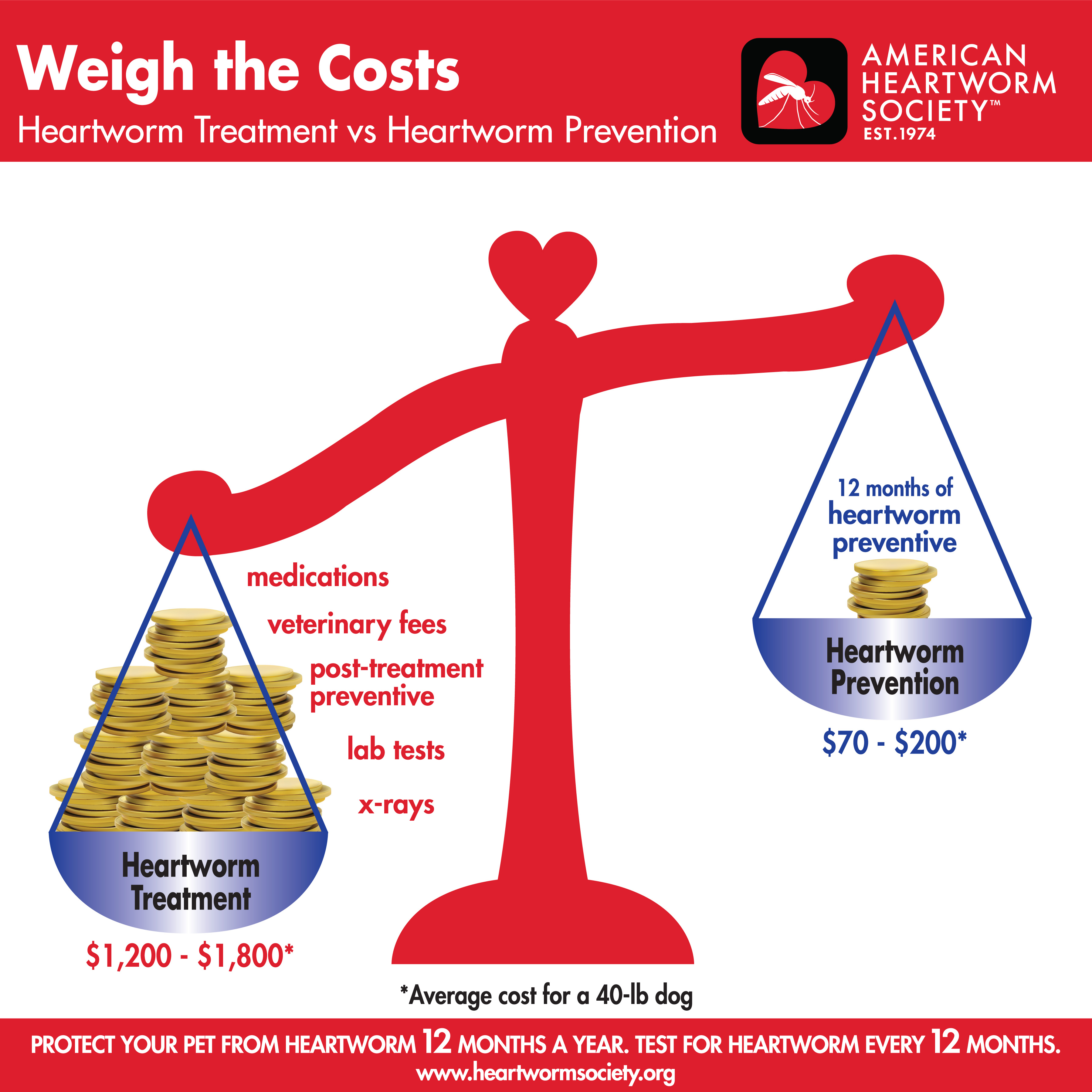
You can help prevent heartworm disease by administering a monthly heartworm preventive medication. The actual treatment of heartworms in dogs can be expensive as well as uncomfortable for your pet.2 Even with treatment, heartworm infection can cause permanent damage to the heart and lungs. That’s why it’s so important to keep your dog on monthly heartworm prevention during the times of the year where heartworm can be transmitted or when travelling to an area with heartworm to help ensure a long, healthy life. Talk to your veterinary team about when to use heartworm prevention in your dog.
What To Do if Your Dog Is Coughing
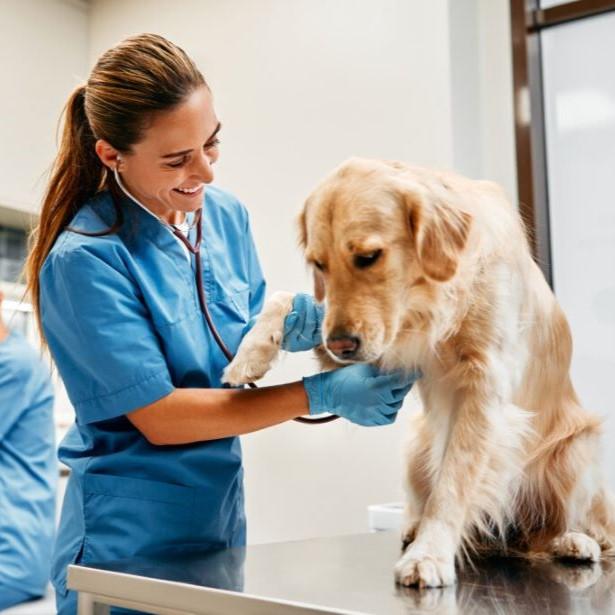
If your dog is coughing, call your veterinary team. Though many of the above ailments are treatable, they all require medical attention. Never try to diagnose your dog yourself. Be on the lookout for other clinical signs to give your veterinarian a full picture of what is happening. Your veterinarian will most likely perform a physical examination and may recommend other diagnostic tests such as x-rays and blood tests. The sooner your veterinarian examines your dog, the sooner they can address the cause. This can be especially important for some conditions such as heartworm disease or heart conditions.
Treating Your Dog’s Cough
After the veterinarian determines the cause of your dog’s cough, or rules out some causes, they will discuss treatment plans with you.
-
Heartworm Basics. American Heartworm Society. Accessed August 17, 2022. www.heartwormsociety.org/pet-owner-resources/heartworm-basics.
- Weigh the Costs. American Heartworm Society. Accessed August 17, 2022. https://d3ft8sckhnqim2.cloudfront.net/images/infographics/0010-weigh-the-costs.jpg.