

By Dr. Destiny Coleman, DVM
Dental care for your dog is just as important as dental care for yourself. You may already be doing daily home dental care including brushing, chews, or water additives, but most dogs will eventually have a professional dental cleaning recommended by their veterinarian. Rest assured these are very common procedures but do involve quite a few steps that we will review here.
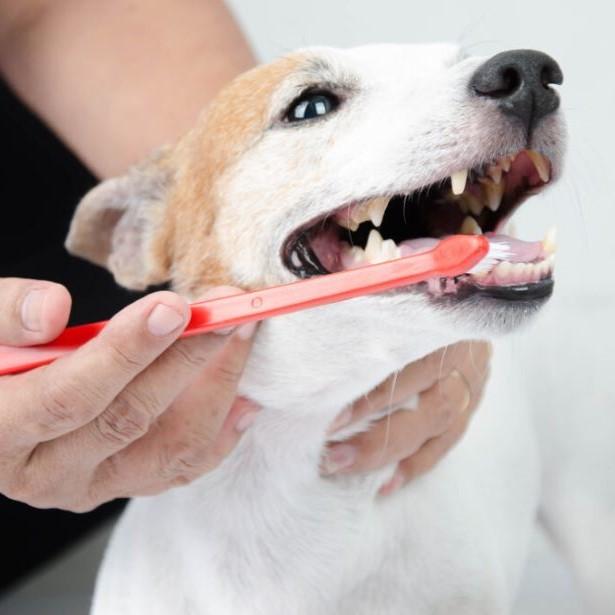
Why Dogs Need Their Teeth Cleaned
Dental care is very important for your dog’s overall health and oral hygiene practices should be started as early as possible. Dogs are prone to similar dental issues as humans such as calculus, plaque, and gingivitis. A professional dental cleaning for your dog is called a Comprehensive Oral Health Assessment and Treatment or COHAT.
How Often Do I Need to Clean My Dog’s Teeth?
At home dental care is the first step to ideal oral health for your pup. However, many dogs will also need professional dental cleanings. Unlike humans, most dogs will not need biannual cleanings, but once yearly is a common veterinarian recommendation starting around age 2 or 3. Certain breeds are likely to need cleanings more frequently including smaller breeds and brachycephalic breeds (flat-faced breeds like French Bulldogs, Bulldogs, Boxers). If you feel your dog is developing dental disease, don’t wait until their next wellness visit. Schedule an appointment with your veterinarian for an evaluation.
Signs of Dental Disease in Dogs
Some signs of dental disease include bad breath, inflamed gums, discolored teeth, missing teeth, pawing at the mouth, difficulty eating, or blood in the saliva. If dental disease is not addressed, it can progress and lead to additional health problems because infections in the mouth can spread through the bloodstream to other parts of the body. Periodontal disease is a very painful condition as well and negatively affects your pet’s quality of life. Studies have shown that dogs with severe periodontal disease have more severe microscopic damage in their kidneys, heart muscle and liver than dogs with less severe periodontal disease.1
What to Expect Before Your Dog’s Dental Cleaning
You will need to fast your dog starting the night before their dental procedure; directions will be provided by your veterinarian. Your dog will have a breathing tube placed for the procedure to protect the airway from fluids during the cleaning.
Dental cleanings for dogs are always completed under anesthesia because dogs don’t understand they need to remain still and calm for such a procedure. In addition to a physical exam, your veterinarian may recommend pre-anesthetic blood work for your dog before starting. The decision to perform a pre-anesthetic work up and how much of a workup is needed depends on your dog’s health status and age.
Once your dog is under anesthesia, they receive care very similar to what you experience at a dental cleaning appointment. Veterinarians commonly perform dental x-rays, which gives them the ability to assess the health under the gums including the roots of the teeth and the bone around the teeth.
The veterinary technician will probe each tooth looking for enamel damage or pocketing around the teeth, and assess visually for any missing teeth, broken teeth or growths in the mouth. These findings are all documented on a dental chart that become part of your dog’s medical record.
The next step is the actual cleaning. Each tooth will be scaled and polished both above and below the gum line (the part of the tooth that you cannot see). The teeth cannot be cleaned below the gum line without anesthesia. Plaque below the gum line causes the most damage and must be removed.
If any teeth need to be extracted due to infection or damage, the veterinarian may administer nerve blocks in the mouth for additional pain control. Your veterinarian may have discussed extractions with you prior to the dental procedure and received permission to proceed, or you may receive a call during the procedure for approval. In some cases, the procedure is too complicated or lengthy and needs to be staged so your dog will be scheduled for a follow up procedure to complete the extractions or other oral surgery that may be needed.
Once all cleanings and treatments are completed the oral cavity is thoroughly rinsed, and your dog will begin to wake up from anesthesia.
What to Expect After Your Dog’s Teeth Cleaning
Post-operative care can vary depending on the extent of the procedure your dog needed. If there were no extractions or other oral surgeries, you can expect no major changes at home in diet and activity. After any anesthetic event there are usually instructions to modify how much you feed your dog that night, but often they resume normal activities by the next morning. Your dog may also be groggy and vocal from the anesthesia. It is best to keep them in a safe place where they cannot fall or injure themselves.
If extractions or oral surgery were performed, then you can expect to feed your dog only soft foods for a period dictated by your veterinarian and no chewing on toys, bones, etc. This is very important to be sure they do not disrupt any stitches in their mouth. Your dog may also receive medications for pain or infection. You should expect to receive discharge instructions specific to your dog and their procedure either over the phone or at pick up. Your veterinarian may want to do a follow-up visit anywhere from 5-14 days after the COHAT.
How to Help Keep Your Dog’s Teeth Healthy Between Visits
There are a few ways that you are able to help support your dog’s oral hygiene at home between professional dental cleanings.
1. Brush your dog’s teeth
Brush your dog’s teeth as early on in life as possible, so that they can be more comfortable with this practice. Do not use human toothpaste. There are toothpastes specific to dogs that include flavoring they will enjoy such as chicken and beef. Ideally, teeth should be brushed daily.
2. Use dental chews
Chewing on a dental chew can help remove plaque on their teeth. Some chews even form a barrier to help protect against bacteria that lead to plaque and calculus.
3. Include water additives
There are many water additives that are colorless and flavorless that provide protection against plaque and odor.
DR. DESTINY COLEMAN
Dr. Coleman is a graduate of the UPenn Veterinary School and has a passion for preventive medicine for dogs and cats. She enjoys educating and building relationships in the veterinary clinic with a background in general practice and clinic management. She now enjoys educating in her role as a Professional Services Veterinarian with Boehringer Ingelheim.