

Content Validated by Dr. Meghan McCarty, DVM
Regular veterinary visits are essential to keep your dog healthy. But just how often do you need to go? This article will run through when to make appointments with your veterinarian and what to expect for each visit based on your dog’s age.

What to Expect at Your Dog’s Routine Wellness Exams
Dogs will have changing health needs depending on the life stage they are in and require different veterinary care, so each of your dog’s routine wellness exams and veterinary care will vary as your dog ages. The size and breed of your dog can also create specific health concerns and can even impact life expectancy. The guidelines below should give you an idea of what to expect for veterinary visits at each stage of your dog’s life.
Puppies Up to 1 Year of Age: Visits as Needed
In the first 16 weeks of your new puppy’s life, they’ll need several vaccines to help keep them healthy. That means your puppy will need to go to visit the veterinary clinic every 3-4 weeks. This is a great time to speak with your veterinarian about spaying or neutering your puppy, and what age that should occur at. It is important to know that your veterinarian will also check your puppy for parasites and prescribe the required treatment and preventions.
Puppy Vaccination Schedule
Canine vaccines are split into core vaccines and non-core vaccines. Veterinarians typically give core vaccines to every dog, while a dog’s lifestyle and health determines if they receive non-core vaccines. Here’s what a typical puppy vaccine schedule looks like, but you should ask your veterinarian which vaccines they recommend for your puppy.1
Core vaccinations
- 8 Weeks: DAP (distemper, adenovirus, parvovirus +/- parainfluenza)
- 10-12 Weeks: DAP (+/- parainfluenza), Rabies* (can be given at 12 weeks and older), Leptospirosis
- 14-16 Weeks: DAP (+/- parainfluenza), Leptospirosis
Non-core vaccinations
- 6-8 Weeks: Bordetella, parainfluenza (may be included in DAP combo vaccine)
- 10-12 Weeks: Lyme
- 14-16 Weeks: Lyme
*Rabies vaccines may be mandated by local law. Please consult your veterinarian for local mandates for rabies vaccines.
Adult Dogs: Yearly Checkup
Dogs are considered adult once they are over one year of age, and veterinarians typically recommend an annual wellness exam. Here are some of the tests and exams you can expect:
- Routine checkups
- Vaccine boosters
- Vector-borne diseases test (including Heartworm and Lyme disease) depending on the area you live in and risk
- Oral exams (to assess dental and gingival health)
- Breed-specific tests or exams
- Other tests as needed based on your dog’s health history
Senior Dogs: Twice-a-Year Checkups
If your dog is 8 years or older, they’re considered a senior dog, and veterinarians may recommend a wellness exam every 6 months. Some breeds of dogs, especially large breed dogs, may be considered senior when they are younger than 8 years of age. These visits typically include an oral exam, which becomes especially important as your dog ages. This is also a great time to discuss any changes in your dog’s energy, mobility, appetite, etc. which may indicate need for further diagnostic tests or treatments. Senior dogs may undergo an annual blood screening to check the function of some of their internal organs such as the kidneys and liver. This proactive monitoring can help with early detection of illness. Be sure to talk to your veterinarian about your dog’s health history and bring up any concerns.
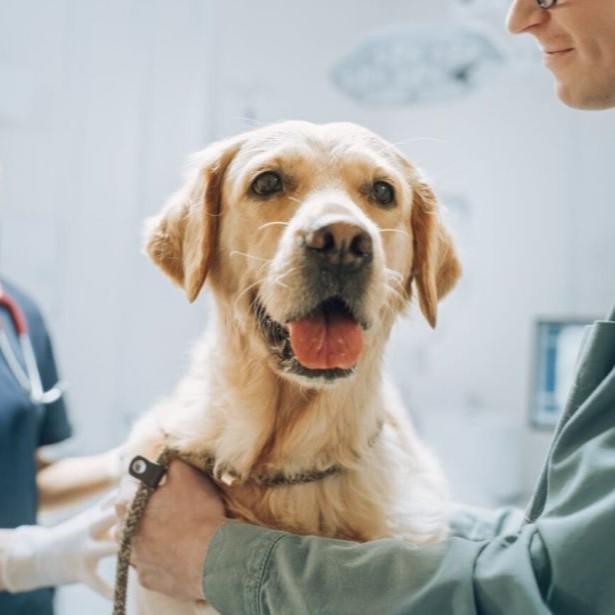
Emergency Veterinary Visits
Even with regular care, emergencies can occur. That’s why it’s important to know when your dog requires emergency care. Though not all inclusive, here are some of the signs that indicate an emergency veterinary visit is warranted:
If you see any of the following signs, contact an emergency veterinary clinic right away:
- Trouble breathing
- Lack of appetite and/or not drinking
- Hind leg weakness
- Collapse or seizures
- Sudden change in bowel movements or urination
- Bloating
- Limping
- Excessive panting
- Excessive whining
- Open, bleeding wounds
- Squinting or unable to open eye(s)
- Severe bloody diarrhea
-
- 2022 AAHA Canine Vaccination Guidelines (2024 Update). American Animal Hospital Association. Accessed July 29, 2025. https://www.aaha.org/aaha-guidelines/2022-aaha-canine-vaccination-guidelines/home/