

Content Validated by Dr. Meghan McCarty, DVM
Congratulations on your new puppy! Understandably, adding a new dog to your home is accompanied with some questions on how to properly prepare and care for them. If you have questions about what to buy for a new puppy, how to take care of a puppy, and more, this is the right page for you. This article will provide you with some helpful information about your new puppy, as well as a list of some essentials you should have on hand before you bring your new pet home.
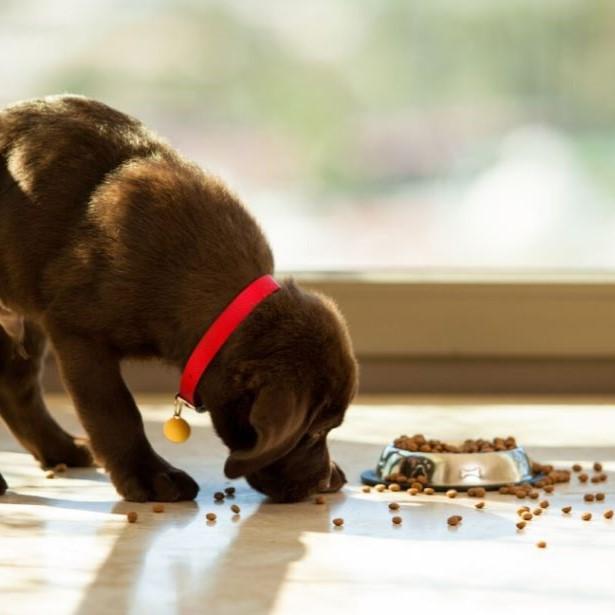
New Puppy Essentials
You know you’re getting a puppy, but you haven’t brought them home yet. This is the perfect time to get your house prepared for a new dog. It’s essential to have your home ready when your puppy arrives to make the transition as easy as possible for you and your new pet. Here are some suggestions to add to your new puppy shopping list before you bring them home:
Dog Bed
To choose the right bedding material, consider your puppy’s breed. Do they get cold easily? Are they notorious chewers?
Dog Crate
When selecting a crate for your puppy, it’s important to consider their current size and how much they will grow. Determine the proper size by measuring their standing height and length, then add 4 inches to each. Keep in mind that puppies grow quickly, and you may need to upgrade to a larger crate as they grow.
Food and Water Dishes
There are many reliable materials to choose from, but stay away from plastic dishes, which can easily harbor bacteria. Stainless steel, silicone, or ceramic dishes are a better choice.
Dog Food
Talk to your veterinary team about finding the correct type for your puppy’s breed and weight.
Dog Collar
Remember to ensure your emergency contact information is displayed on their collar or tag.
Dog Toys
Find soft, appropriately sized toys to give your new puppy a fun way to release energy and bond with you. However, you should always supervise your puppy during play time as they may chew or tear their toys and accidentally swallow pieces.
Puppy Gates
Keep your puppy out of unsafe or off-limits areas of your house.
Dog Grooming Supplies
Keep items like clippers and brushes at home for when your puppy inevitably gets messy or needs to be groomed.
How to Take Care of a Puppy
Starting off your puppy’s life on a healthy path can make a world of difference to how healthy and well-balanced they are when they get older. To help set them up for a long, healthy life, we’ve put together a list of some of the common puppy health topics below you can discuss with your veterinary team. While your puppy might not need every preventive on this list right now, this will help you get a sense of what appointments you’ll need to consider scheduling as your puppy grows.

Vaccinations
Vaccines are designed to trigger a specific immune response that will help protect your puppy from illness down the road. Ask your veterinarian what vaccines they recommend for your pet.
They may recommend vaccines against the following pathogens:
- Canine distemper virus
- Canine adenovirus
- Canine parvovirus
- Rabies virus
- Canine leptospirosis
- Bordetella bronchiseptica (one of the agents causing canine cough)
- Borrelia burgdorferi (the bacteria that causes Lyme disease)
Heartworm Prevention
Just one bite from an infected mosquito can lead to heartworm disease—a serious danger to your dog’s health. You can begin administering heartworm prevention around 6-8 weeks of age depending on the product prescribed. Ask your veterinarian about different types of heartworm prevention for your new puppy and whether heartworm is a risk in your area.
Spay or Neuter
Spaying or neutering your puppy when they reach the proper age is important for their health and behavior. We recommend talking to your veterinarian about the right age to spay or neuter your puppy.
Microchip
If your puppy runs away, microchipping them can be the difference between reuniting with them and losing them forever. A study of 7,704 stray animals showed that dogs without microchips were returned to their owners 21.9% of the time, whereas microchipped dogs were returned 52.2% of the time.1
Oral Care
Dental hygiene is another major facet of your puppy’s health. Poor oral hygiene can lead to serious issues. Getting them used to teeth brushing at a young age can help make their oral hygiene routine easier to maintain as they get older. A dental schedule may sound like high maintenance, but fortunately products like dental chews accepted by the Veterinary Oral Health Council can help maintain oral health in between regular dental checkups at the veterinarian.
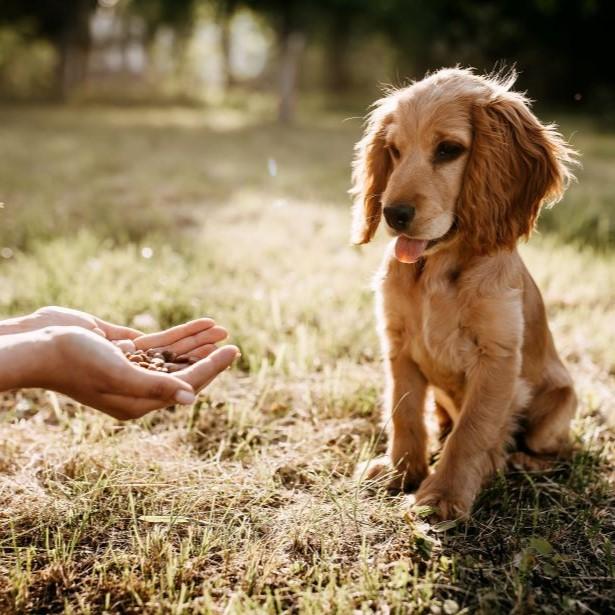
New Puppy Tips
Now that you know what to buy and how to take care of your puppy, you’re almost through your new puppy checklist. It’s time to wrap up with some more information on socialization and common puppy behaviors:
House Training
Consistency is key for house training your pup. You’ll want to have a dedicated space for them to live so they learn that they need to go outside to relieve themselves. Keeping them on a set schedule of meals and leash walks can help them become potty trained faster.
Chewing Phase
Most puppies go through a teething phase. Provide them with high-quality, age- and size-appropriate teething toys to help protect them and your belongings (they’ll chew anything they can get their tiny mouths around). With training and time, this phase should eventually pass— typically around 8 to 9 months of age.2
Puppy Fur
Don’t be alarmed when your puppy sheds their first coat. Sometimes it can change their appearance drastically, even changing the color of their coat! Puppy shedding is normal but if you are concerned, talk to your veterinary team. To help reduce hair around the house, make sure to keep them on a regular grooming and fur brushing schedule. A lint roller and vacuum can help keep the house and your clothes tidy.
Getting Your Puppy Comfortable
A bond between dog and human is a truly special gift. The amount of trust they have in you, other people, and other puppies starts when they’re young. Give your puppy ample care, affection, and socialization to help build trust between you and to help them grow into well-adjusted dogs.
Training Your Puppy
Training your puppy while they’re young can help them stay safe and well-behaved later in life. Start with simple, short-phrased commands like sit and stay. The trick for training is positive reinforcement and consistency. Rewarding them with affection and treats is an excellent way to encourage good behavior.
Fleas and Ticks
Fleas and ticks are more than nuisances. They can cause infestations in your home, spread to other animals, and carry diseases that can be dangerous for your puppy. And, contrary to popular belief, they can pose a threat both outdoors and indoors. That’s why it’s essential to use veterinarian-recommended flea and tick protection to help protect your pup.
-
Wuest, P. Poll: Have the majority of your clients gotten their pets chipped? Today’s Veterinary Practice. 2019. Accessed August 25, 2022. https://todaysveterinarypractice.com/news/poll-have-the-majority-of-your-clients-gotten-their-pets-chipped/
- When Do Puppies Lose Their Teeth in Boxborough, MA? Veterinary Dental Services. Accessed August 25, 2022. https://veterinarydental.com/puppies-lose-teeth-boxborough-ma/